The Field Guide
Ten entries from the Institute's catalogue of forty. Every legend here is genuine published American folklore, and every entry says where the story actually comes from.
Including the ones that turn out to be hoaxes. The Hodag was invented outright in 1893 by a man who later admitted it. The Jackalope was built in a Wyoming taxidermy shop in 1932 and has a business licence. Every Chupacabra ever sent to a laboratory has come back as a coyote with mange. The Institute records all of that in the entry, because a field guide that hides its sources is a worse joke than one that doesn't.
Plates are drawn by body plan rather than by species, the way a real guide reuses one posture across a family. The two letter code on each plate is the archetype.
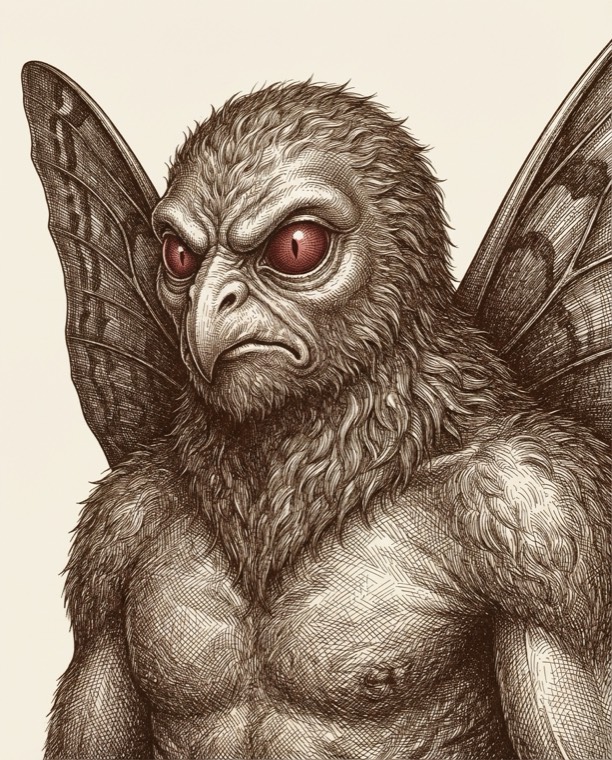
Reported 15 November 1966. Thirteen months of sightings, then nothing.
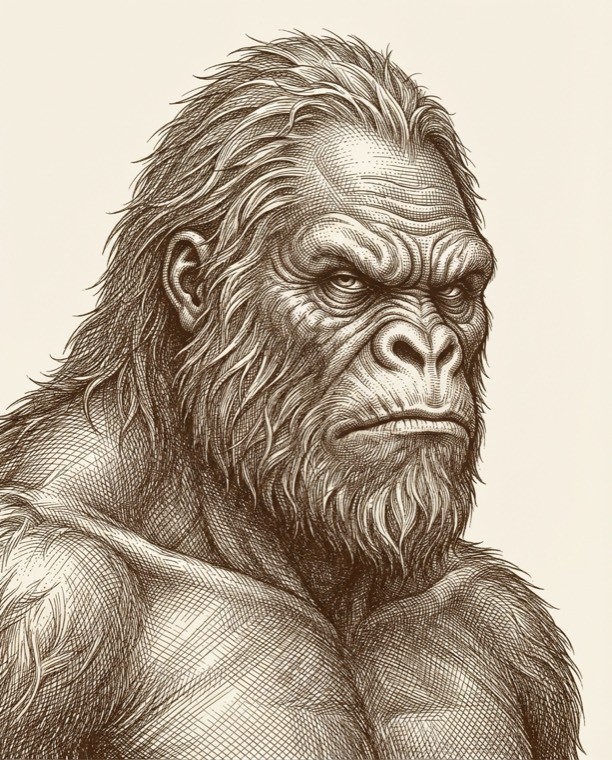
The name is Halkomelem. The film is from 20 October 1967. Neither has been resolved.
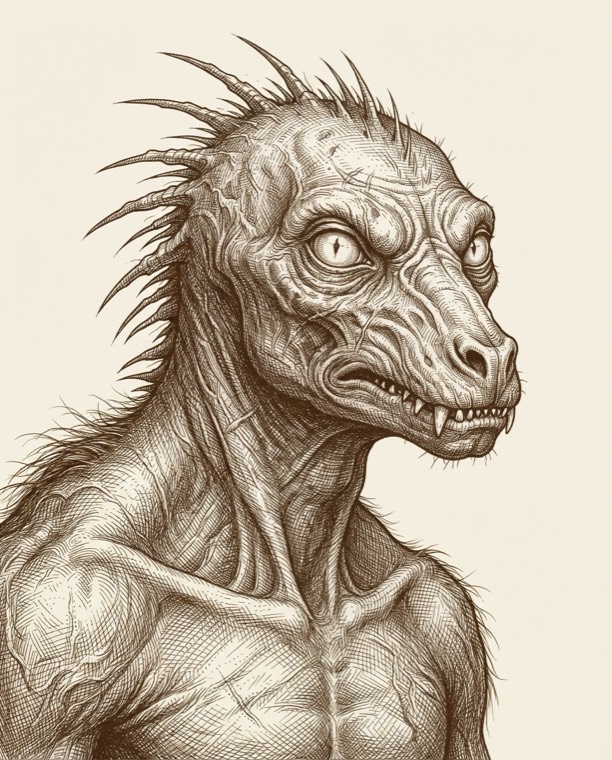
The only entry here that keeps turning out to be a coyote.
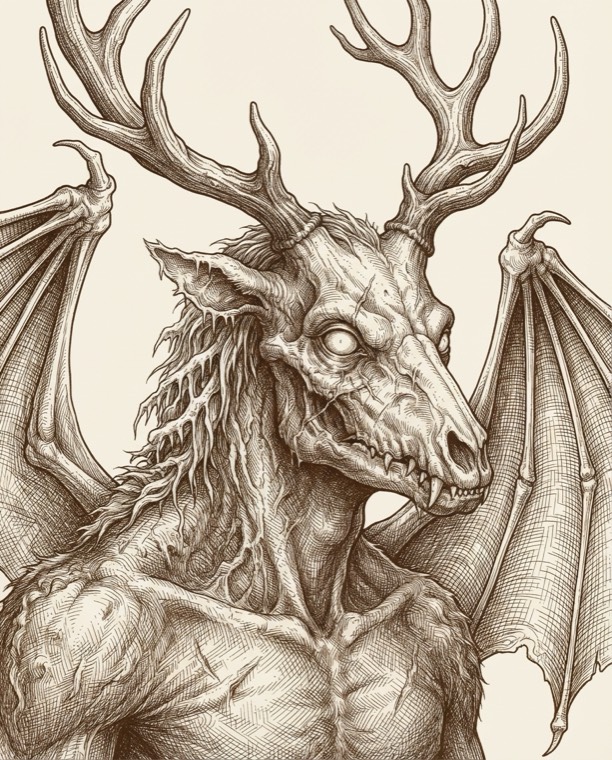
A serious tradition about famine, and the one entry in this guide that is not ours to play with.
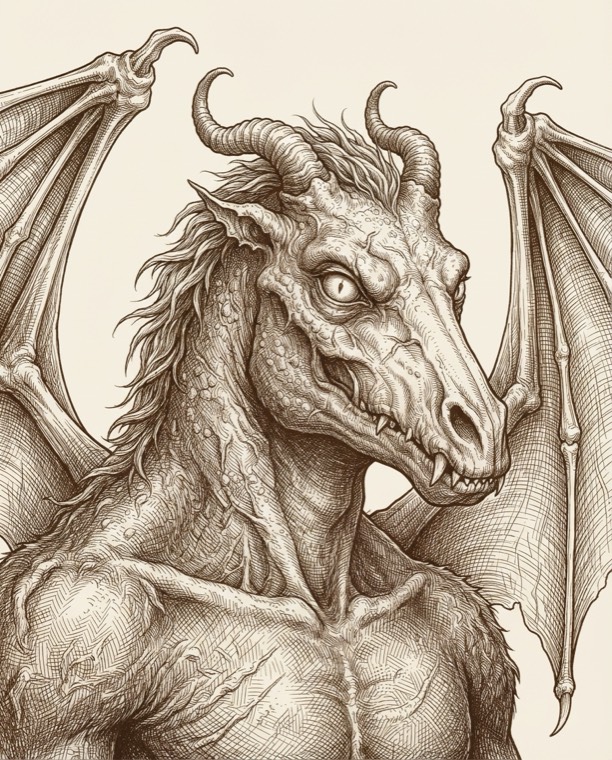
Born 1735 by the telling. Verifiably a newspaper sensation in January 1909.
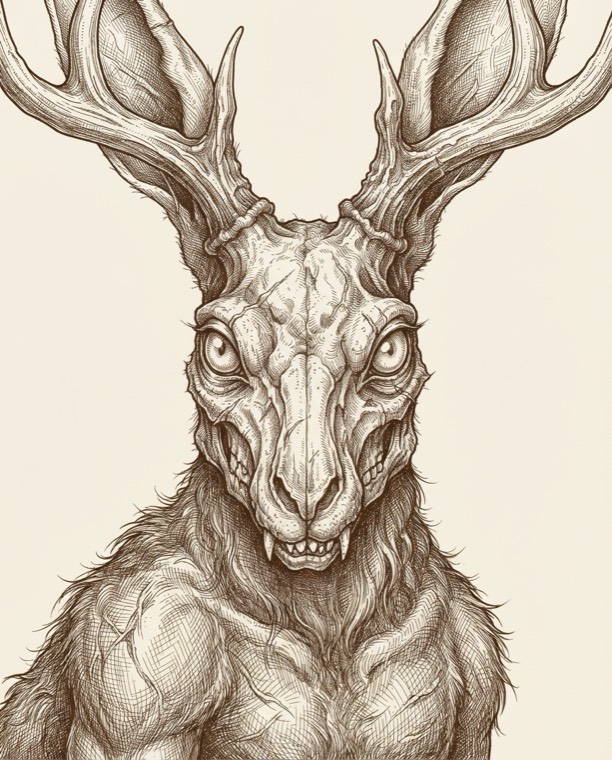
Invented in 1932 by two brothers with a taxidermy shop. It has a licence.
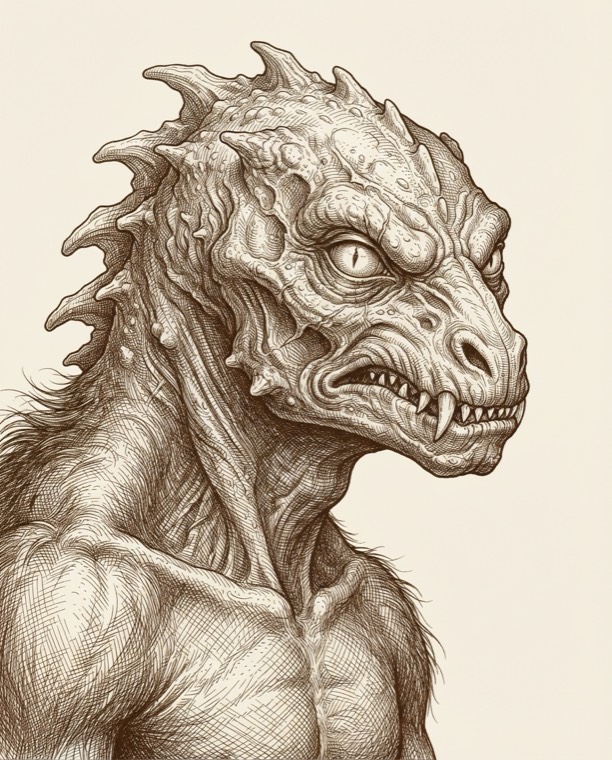
A confirmed hoax of 1893, now on the water tower, the high school and the police badge.
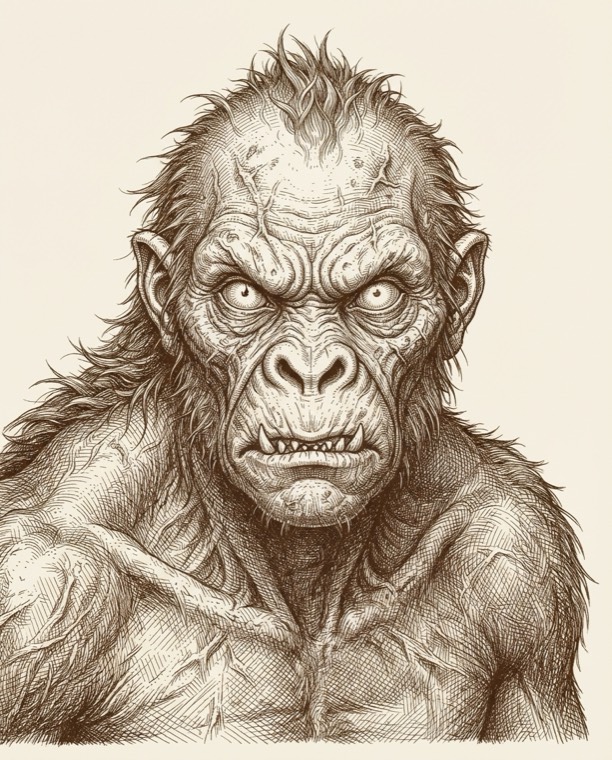
A night in May 1971, a low-budget film, and a three-toed print that has always been the problem.
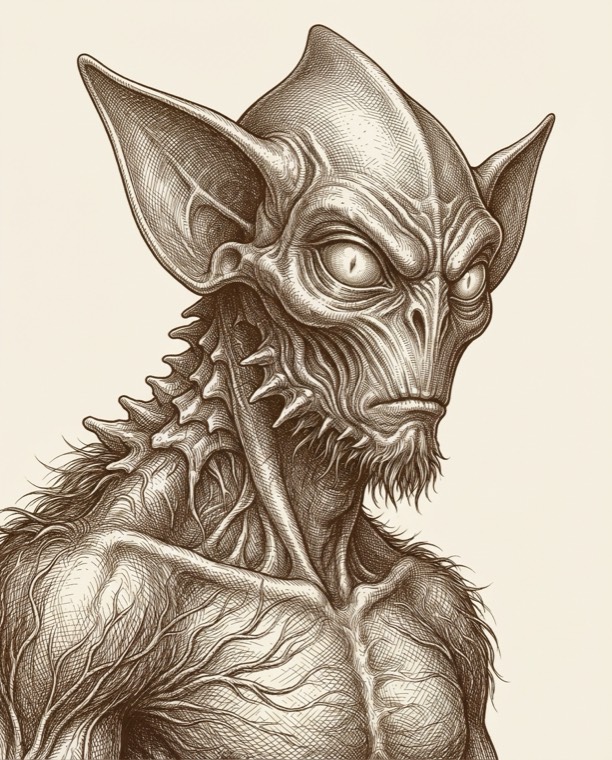
12 September 1952. Seven witnesses, one hill, and a smell nobody could place.
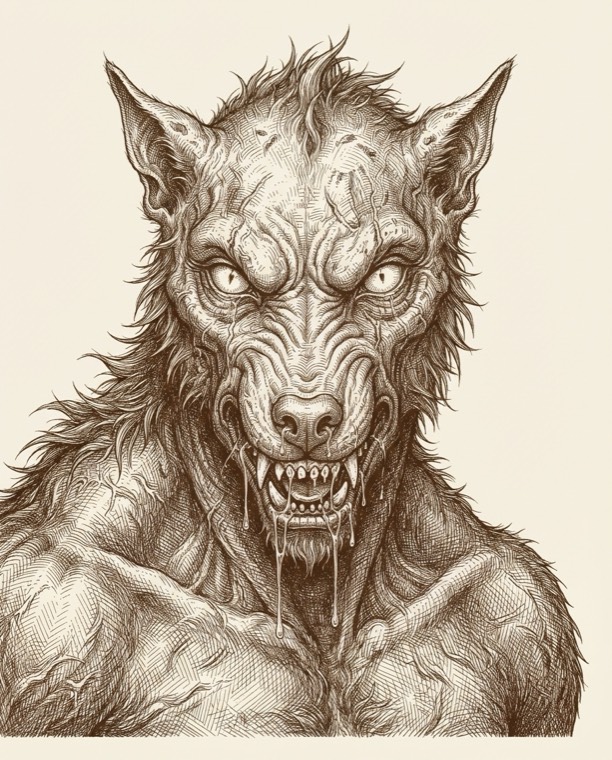
Not a sighting flap. A living discipline story, still told, still working.
The other thirty. The full catalogue ships inside the app, along with the map, the archive and the camera.